

Cape verde Sustainable Travel Guide
Cape verde Sustainable Travel Guide: 10 Essential Tips for a Greener Adventure
This Cape verde Sustainable Travel Guide is designed to help you explore the islands consciously while supporting local communities and fragile ecosystems. By using this Cape verde Sustainable Travel Guide as your compass, you’ll learn how to travel in a way that protects Cape Verde’s natural beauty and cultural soul.
Why Sustainability Matters in Cape Verde’s Tourism Growth
Cape Verde is growing fast. New hotels, new flights, new visitors — and with that comes a responsibility to keep its ecosystems and heritage from becoming afterthoughts. Supporting sustainability here isn’t a trend; it’s a lifeline for the islands’ future. With fragile marine areas, limited freshwater, and unique biodiversity, travelers make a huge impact — both good and bad. When we choose wisely, our presence strengthens local communities instead of draining them.
Understanding Cape Verde’s Islands Through a Sustainable Lens
What Makes Cape Verde Unique?
This archipelago is a blend of deserts, mountains, cliffs, soft beaches, and lively cities. A place born from volcanoes, shaped by the Atlantic winds, and flavored by West African and Portuguese influences. It’s not your typical beach destination — which is exactly why it deserves a thoughtful approach.
How Tourism Shapes Local Communities
Tourism is one of the main economic engines, especially on islands like Sal and Boa Vista. But on others, like Fogo and Santo Antão, tourism is still intimate and homegrown. Sustainable travel ensures that communities benefit directly from your investment — from homestays to local markets to guiding servi

Spotlight on Fogo: The Heart of Sustainable Adventure
Your Cape verde Sustainable Travel Guide wouldn’t be complete without shining a giant, glowing spotlight on Fogo — an island of fire, resilience, and creativity.
The Power of Pico do Fogo
Pico do Fogo is the iconic volcano rising dramatically above the island. Hiking it isn’t just a physical challenge — it’s a chance to witness the raw geological story of Cape Verde. Choosing certified local guides helps ensure safety and supports families who rely on tourism income. Plus, they know the volcano like the back of their hand.
Sustainable Stays in Fogo
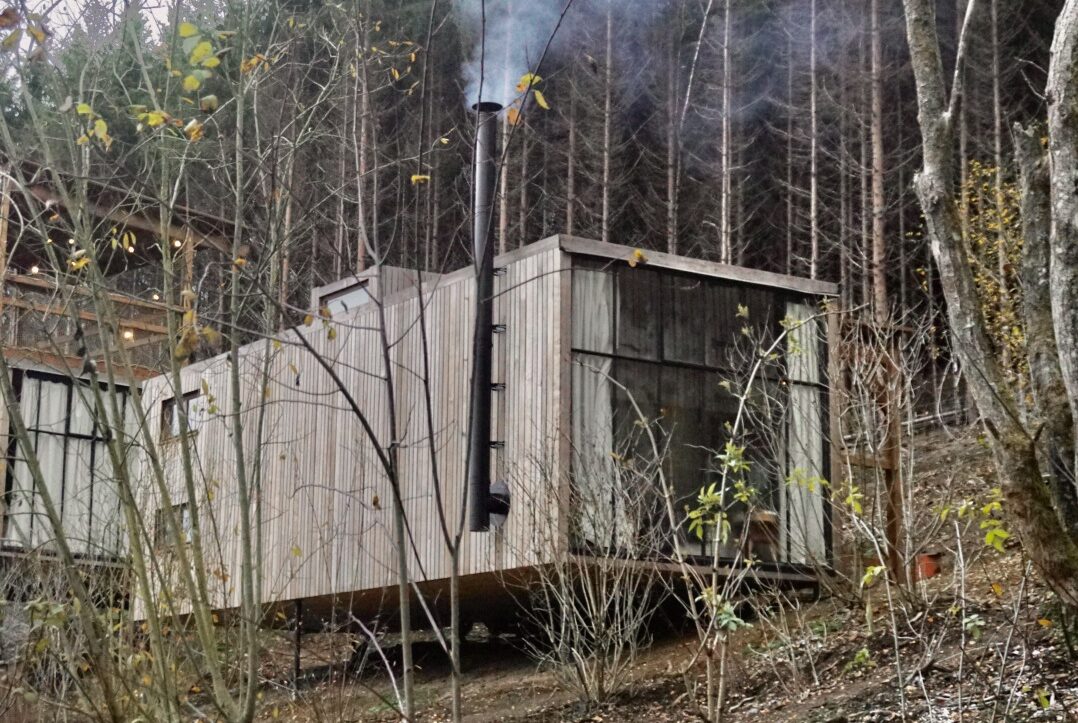
Forget cookie-cutter resorts. Fogo offers volcanic guesthouses, locally owned eco-lodges, and family-run homes that make your stay meaningful and low-impact. Many use natural building materials, solar power, and local farming products.
Supporting Local Businesses & Farmers
Fogo’s coffee and wine — yes, wine grown on volcanic soil — are part of its identity. Visiting cooperatives helps preserve these traditions. It also ensures money stays within the island instead of floating toward international chains.

How to Travel Responsibly in Cape Verde
Respecting Culture & Community
Learn a few Creole words. Ask before taking photos. Purchase crafts directly from artisans. These little moments build connection and honor cultural pride.
Minimizing Environmental Footprint
- Carry a reusable bottle
- Avoid buying single-use plastics
- Choose public transport or shared taxis
- Pack reef-safe sunscreen
Small choices. Big ripple effects.
Ethical Wildlife Encounters
Cape Verde hosts sea turtles, rare birds, and diverse marine life. Make sure you:
- book licensed turtle watching tours
- never handle animals
- stay away from nesting areas
Wildlife encounters should be magical, not destructive.

Island-by-Island Sustainable Tips
Santiago
Explore local markets, Afro-Creole heritage, and eco-museums that uplift community stories.
Santo Antão
Hiking heaven. Stay in mountain villages, buy local honey, and support rural tourism.
Sal & Boa Vista
The most visited islands — meaning your choices matter even more. Pick eco-certified hotels and join conservation-focused excursions.
São Vicente
A cultural gem with music, art, and creativity. Support local events and independent shops.
Where to Stay: Eco-Friendly Accommodations Across Cape Verde
Eco-stays range from low-impact guesthouses to lodges running on solar or wind energy. Look for:
- Green energy initiatives
- Locally sourced ingredients
- Waste reduction systems
Family-run stays ensure your money stays within the community.

Sustainable Food & Eating Local
Cape Verdean cuisine is a delicious way to support local economies.
Farm-to-Table Experiences
Many guesthouses and restaurants in rural areas use homegrown vegetables, beans, and fruit.
What to Avoid
Help protect marine life by skipping:
- Overfished species
- Questionably sourced lobster
- Restaurants that don’t follow fishing seasons
Practical Tips for Eco-Conscious Travelers
What to Pack
- Reusable utensils
- Solar phone charger
- Lightweight clothing
- Biodegradable toiletries
- Reef safe sunscreen
- Best Time to Visit
For low-impact travel, choose shoulder seasons when tourism is lighter (May–June & October–November).
FAQs About Cape Verde Sustainable Travel Guide
1. Is it easy to travel sustainably in Cape Verde?
Yes — especially on islands like Santo Antão and Fogo where tourism is community-based.
2. What’s the most eco-friendly island to visit?
Fogo and Santo Antão stand out for authenticity and sustainability.
3. Does Cape Verde offer eco-certified hotels?
Yes, especially on Sal and Boa Vista.
4. Can I hike Pico do Fogo without a guide?
You can, but it’s unsafe and not recommended. Local guides add cultural insight and safety.
5. Is tap water safe to drink?
No. Bring a filter bottle to reduce plastic waste.
6. How can I support local communities best?
Stay in locally owned accommodations, hire local guides, and buy crafts directly from artisans.
.
Conclusion: Traveling With Courage & Consciousness
Traveling responsibly isn’t about perfection; it’s about presence, intention, and heart. Cape Verde — especially the mighty Fogo — offers the kind of experience that asks you to step into leadership, courage, and connection. When you show up consciously, the islands respond with generosity, beauty, and stories you’ll carry forever.


Pingback: The Ultimate Responsible Travel Guides - TravelRebel